
Understanding the psychology behind gambling What drives players to take risks
The Thrill of Uncertainty
One of the primary psychological drivers behind gambling is the thrill of uncertainty. The anticipation of a potential win creates a rush that many players find exhilarating. This excitement can activate the brain’s reward systems, leading to the release of dopamine, a neurotransmitter associated with pleasure and reinforcement. This biochemical reaction can reinforce the behavior, making players more likely to gamble again, even in the face of potential loss. For those looking to explore options, a great way to start is by placing a Stake bet at a reputable site.

This excitement is often heightened by the unpredictable nature of gambling. Unlike many other forms of entertainment, where outcomes can be more easily controlled or predicted, gambling introduces an element of chance that keeps players on the edge of their seats. This unpredictable thrill draws people in, motivating them to take risks they might not otherwise consider in their everyday lives.
The Allure of Escape
For many individuals, gambling serves as a form of escape from daily stresses and challenges. Engaging in gambling activities allows players to momentarily forget their worries and immerse themselves in a world of possibility. This desire to escape can be a powerful motivator, leading individuals to seek out gambling as a coping mechanism for life’s pressures.
The Impact of Social Influences
Social factors play a significant role in the psychology of gambling. The influence of peers, family, and even celebrity gamblers can shape an individual’s perspective on risk-taking. Observing others’ successes can create a social validation for gambling, making players feel more inclined to participate. The idea that someone they admire has won big can fuel the belief that they, too, can achieve similar success.
Moreover, the social nature of gambling can enhance its appeal. Many people enjoy the camaraderie that comes with gaming, whether at a physical casino or online. This social interaction can enhance the experience, leading individuals to take risks they might avoid in a more solitary setting. The communal aspects of gambling can amplify its allure and encourage higher stakes.
The Role of Cognitive Biases
Cognitive biases significantly influence gambling behavior, often leading players to make irrational decisions. For instance, the “gambler’s fallacy” suggests that individuals believe past outcomes can influence future results, despite the independent nature of each event. This misconception can prompt players to continue gambling, convinced that their next bet will result in a win.
Additionally, the illusion of control can lead players to believe they can influence outcomes in games of chance. This misguided confidence can encourage riskier bets, as players may think they possess skills that can sway the results. These cognitive distortions can create a cycle of gambling that is difficult to break.
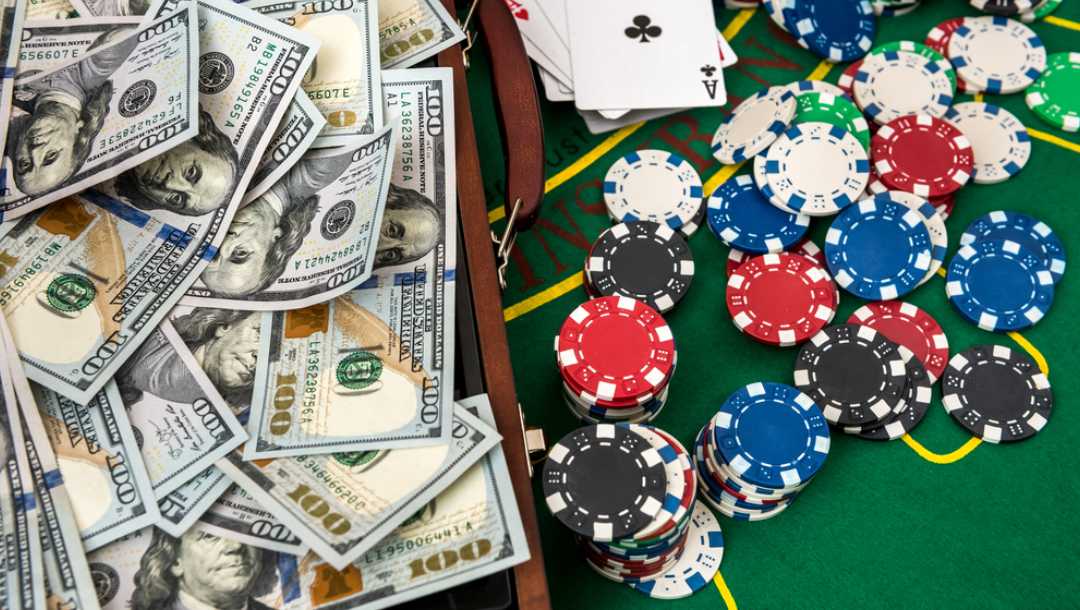
Stake Casino: A Unique Gambling Experience
Stake Casino stands out in the online gambling landscape, offering a thrilling environment for players seeking to understand their own motivations. With a vast array of games and exclusive promotions, the platform caters to the unique needs of its users. The seamless experience, combined with fast cryptocurrency transactions and round-the-clock support, makes it an attractive choice for many gamblers.
For those intrigued by the psychology behind gambling, Stake Casino provides not just entertainment but also a community where players can explore their motivations and behaviors. The platform encourages responsible gaming, allowing individuals to engage with their love for gambling while being mindful of their actions and decisions.
“`
Recent Comments