
Understanding psychological tactics in casino gambling strategies
The Psychology of Loss Aversion
Loss aversion is a fundamental concept in behavioral psychology that describes the tendency for individuals to prefer avoiding losses over acquiring equivalent gains. In casino gambling, this tactic plays a significant role in how players approach their betting strategies. Players often chase their losses, believing that a win is just around the corner, especially at australia online casino. This mindset can lead to impulsive betting decisions, impacting the overall gambling experience.
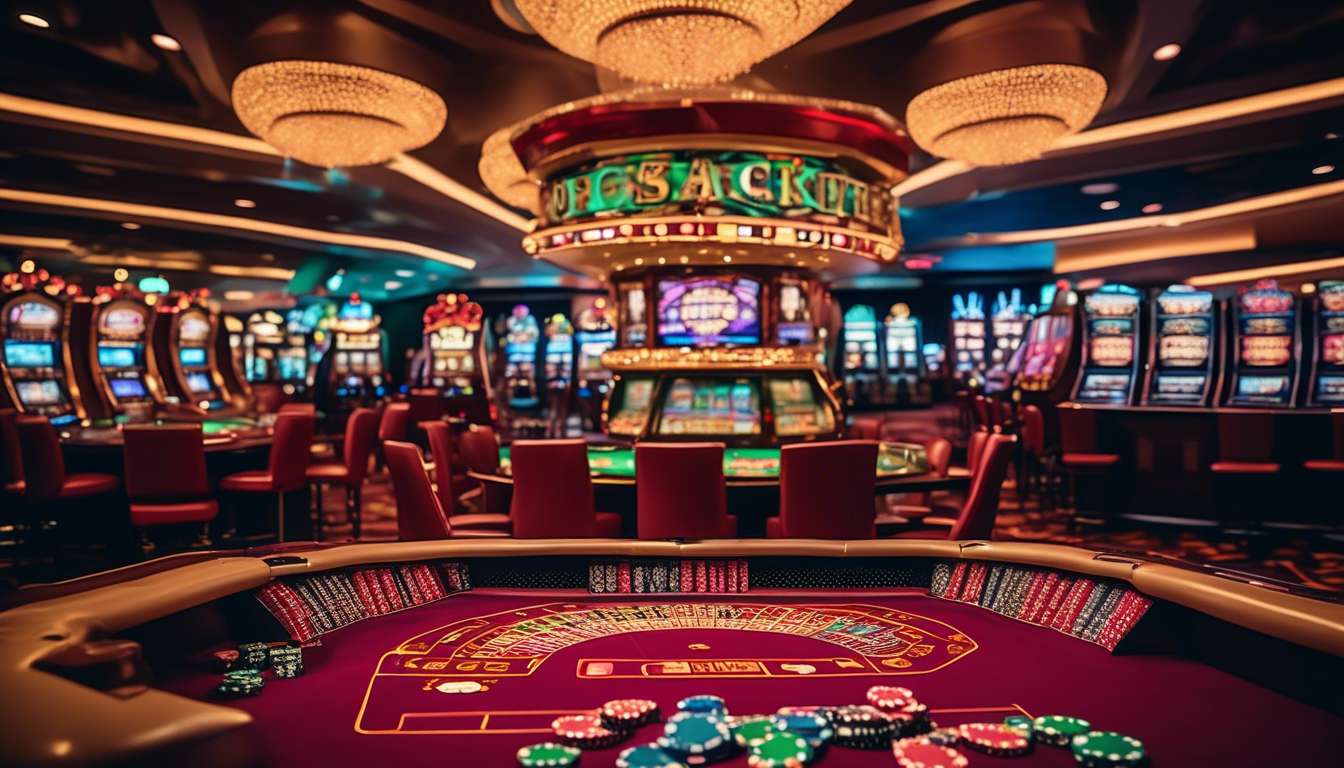
The fear of losing can also lead players to engage in riskier behavior, as they attempt to recover their losses quickly. Casinos are well aware of this psychological phenomenon and often design their environments to maximize its effects. Bright lights, enticing sounds, and the thrill of the game create an atmosphere that keeps players engaged, even when they are at a loss.
The Role of Reinforcement and Reward Systems
Another psychological tactic used by casinos is the reinforcement of winning behavior through reward systems. Casinos employ various techniques such as loyalty programs, bonuses, and player rewards to encourage repeat visits. These incentives create a sense of accomplishment and satisfaction, even if the player’s overall experience may not result in a profit.
Moreover, the intermittent reinforcement schedule, where rewards are given at unpredictable intervals, increases engagement. Players are motivated to continue playing, hoping for the next big win. This tactic not only keeps players at the tables longer but also heightens the emotional stakes associated with gambling, making them more likely to return in the future.
The Illusion of Control
The illusion of control is a psychological phenomenon where players believe they can influence the outcome of games of chance. This misconception is particularly prevalent in games such as roulette or dice games, where players feel that their decisions can sway the results. Casinos exploit this belief by offering games that allow players to make choices, reinforcing the feeling of control.
This psychological tactic can lead players to take more risks than they normally would, believing that their strategies will lead to a better outcome. By feeling in control, players are more likely to gamble larger amounts, increasing their potential losses. This tactic is a powerful example of how psychology can be leveraged in a casino environment to drive player behavior.
The Impact of Environmental Cues
Environmental cues play a crucial role in shaping the gambling experience and influencing player behavior. Casinos are meticulously designed to create a sense of excitement and immersion. The layout, lighting, and even the scent of the casino are carefully curated to keep players engaged and disoriented regarding time.
Sound plays a significant role as well. The sounds of slot machines paying out, coupled with upbeat music, create an energetic atmosphere that encourages players to continue gambling. These environmental cues serve to distract players from their losses and amplify their desire to win, making it essential for casinos to maintain this carefully crafted ambiance to maximize profits.

Conclusion: Enhancing Your Understanding of Casino Strategies
Understanding the psychological tactics employed in casino gambling strategies can greatly enhance your gaming experience. By being aware of loss aversion, reinforcement systems, the illusion of control, and environmental cues, players can make more informed decisions and potentially mitigate their losses.
As you explore different casinos, consider how these psychological factors impact your own behavior. A well-rounded understanding of these tactics will not only improve your strategic approach but also help you enjoy the thrill of gaming responsibly.
Recent Comments